
A child's foot is not just a smaller version of an adult's foot. It is soft, pliable, and undergoes intensive shaping during the first years of life. Between the ages of one and six, the foundations of balance, stability, and posture are built. What happens during this period affects a child's movement for many years to come.
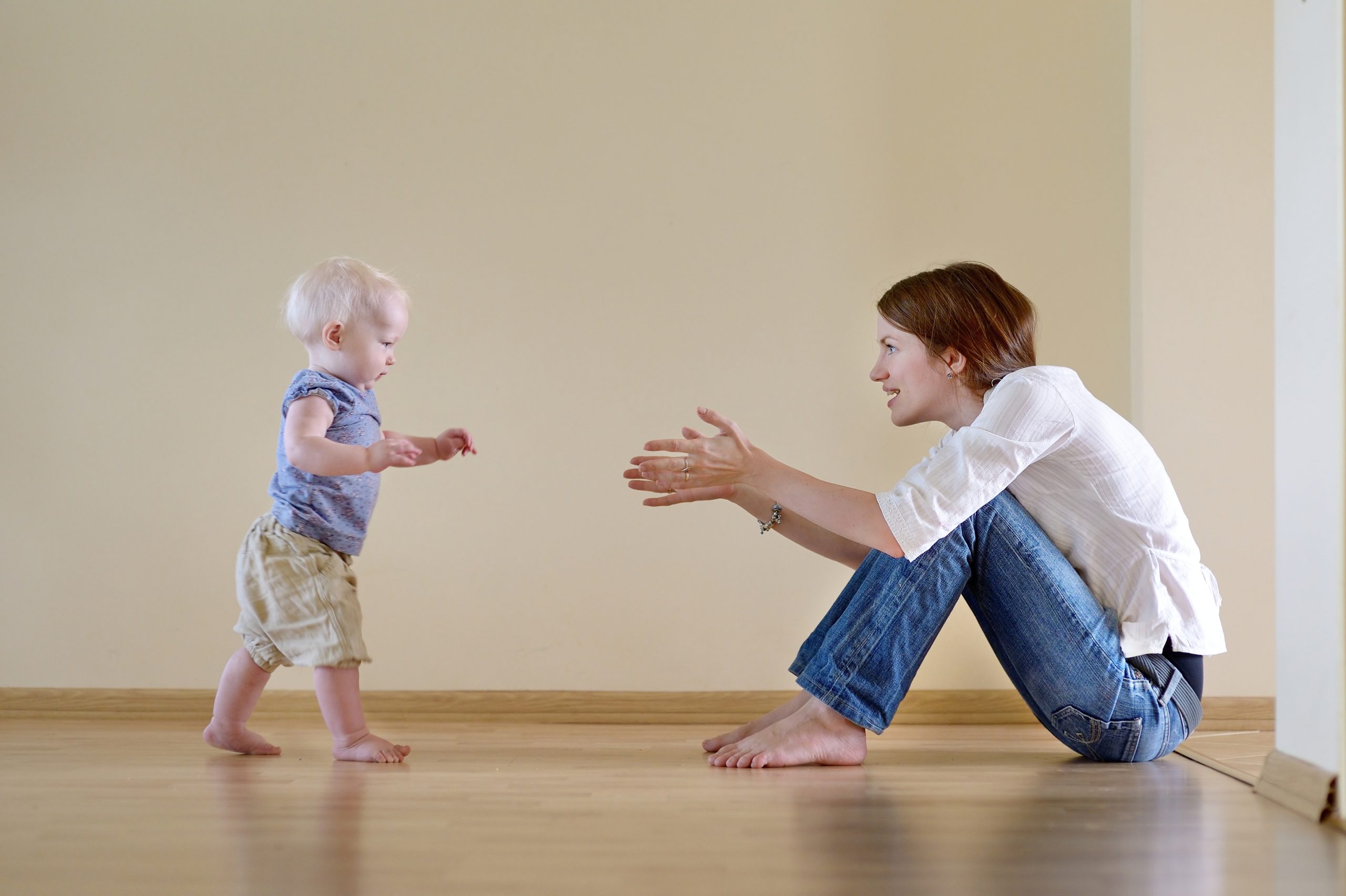
1 Year – First Steps
- The foot is soft and features a prominent fat pad.
- The arch is not visible – this is a natural state.
- Ligaments are looser, and ankles are unstable.
- The brain learns balance through sensory input from the sole of the foot.
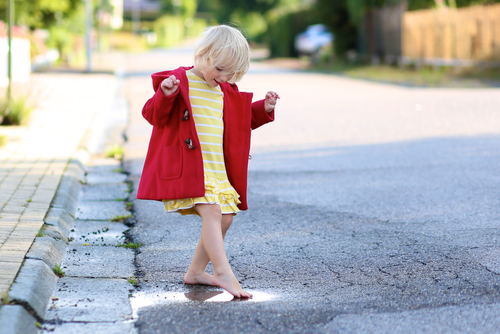
2 Years – Building Stability
- The child begins to run, jump, and climb.
- The foot naturally widens.
- The arch is still developing and needs movement.
- Foot muscles are activated primarily through natural walking.
3 – 4 Years – The Beginning of Arch Formation
- The fat pad gradually diminishes.
- The arch begins to take shape gently.
- Coordination and foot strength improve.
- In most cases, flat feet are physiological (normal) up to 4–5 years of age.

5 – 6 Years – A More Stable Foundation
- Foot muscles are significantly stronger.
- The arch is more stable.
- Movement is more coordinated.
- The positioning of the foot affects the knees, hips, and overall posture.
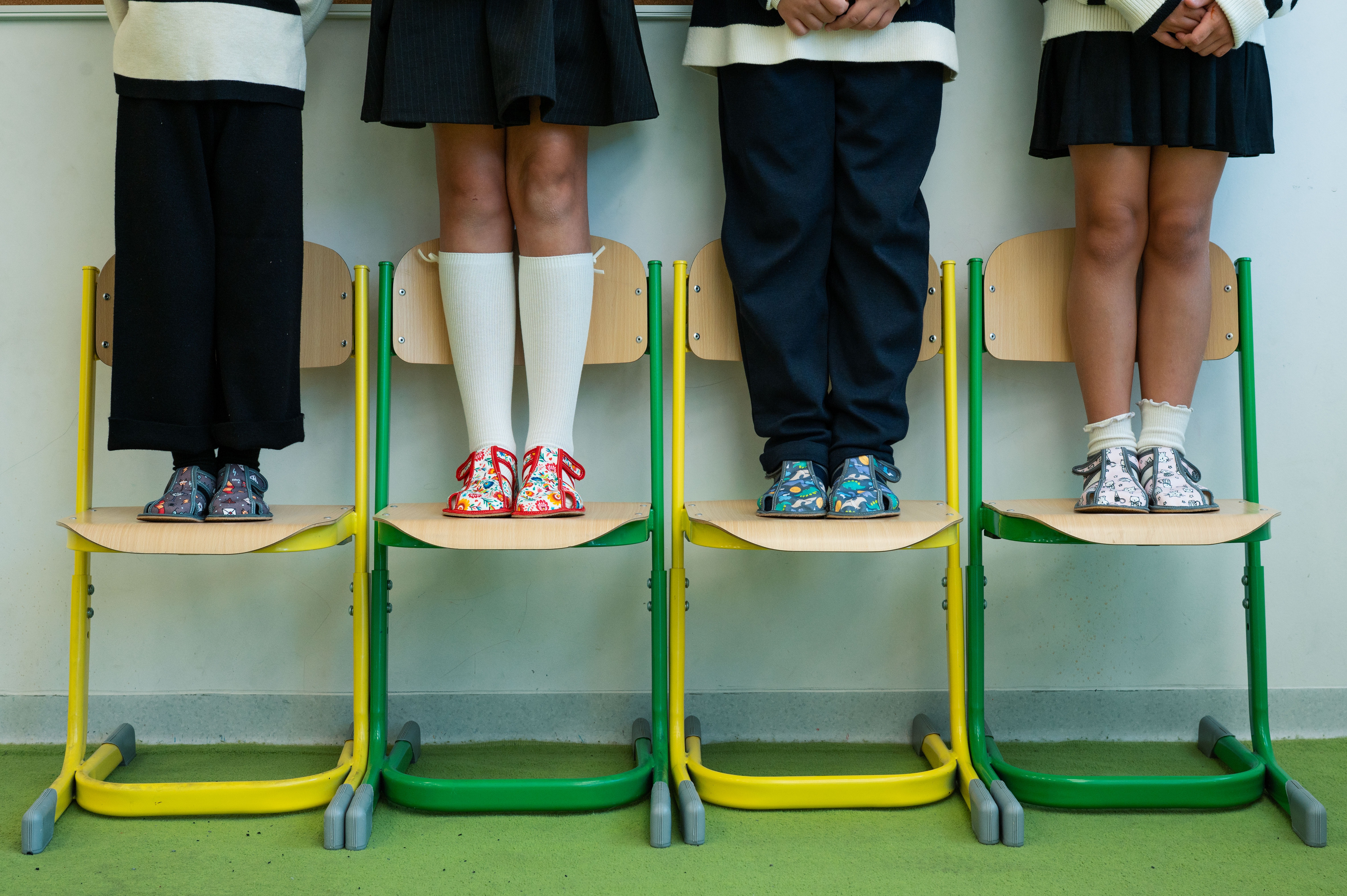
The first six years are the period of most intensive foot formation. Sufficient movement and respect for natural development create a solid foundation for healthy movement in the years to follow