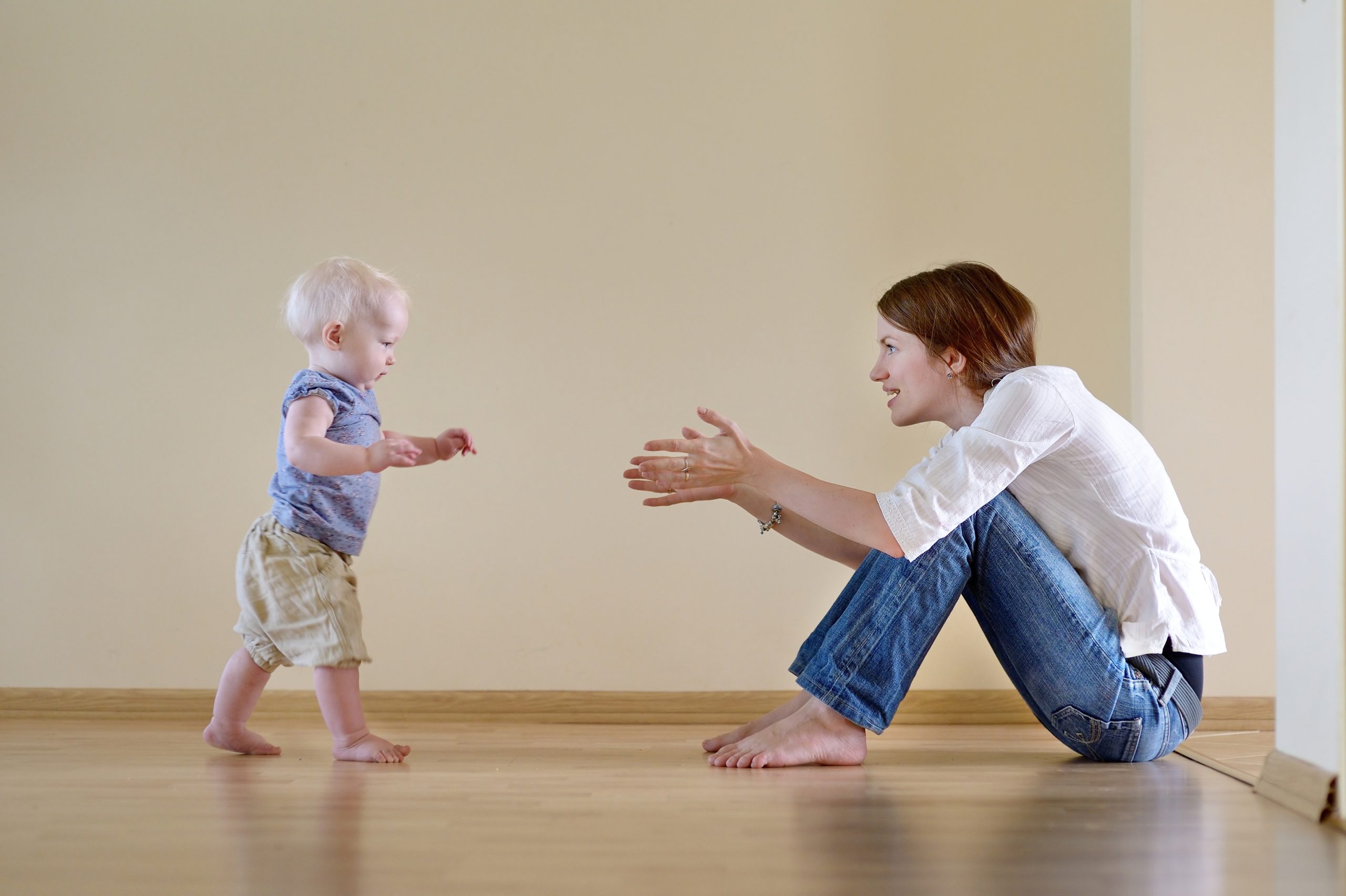
One of the most common questions parents ask is: When is the right time for first shoes?
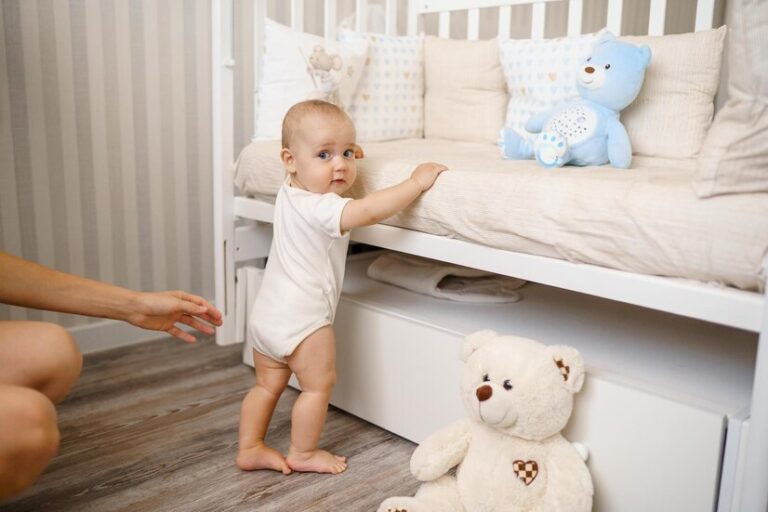
It’s Not About Age, but Readiness
You might be surprised to learn that the right answer can’t be found in charts. A child’s age doesn’t play the main role – what matters is how the child moves. First shoes should be introduced only when a child walks independently and confidently, usually after 2–3 weeks of regular walking.
Until then, shoes mainly serve as protection against cold or dirt, not as a tool for healthy development. At home, it’s ideal to let your child walk barefoot as much as possible – this strengthens the foot muscles and naturally builds balance, which stiff shoes often unnecessarily limit.
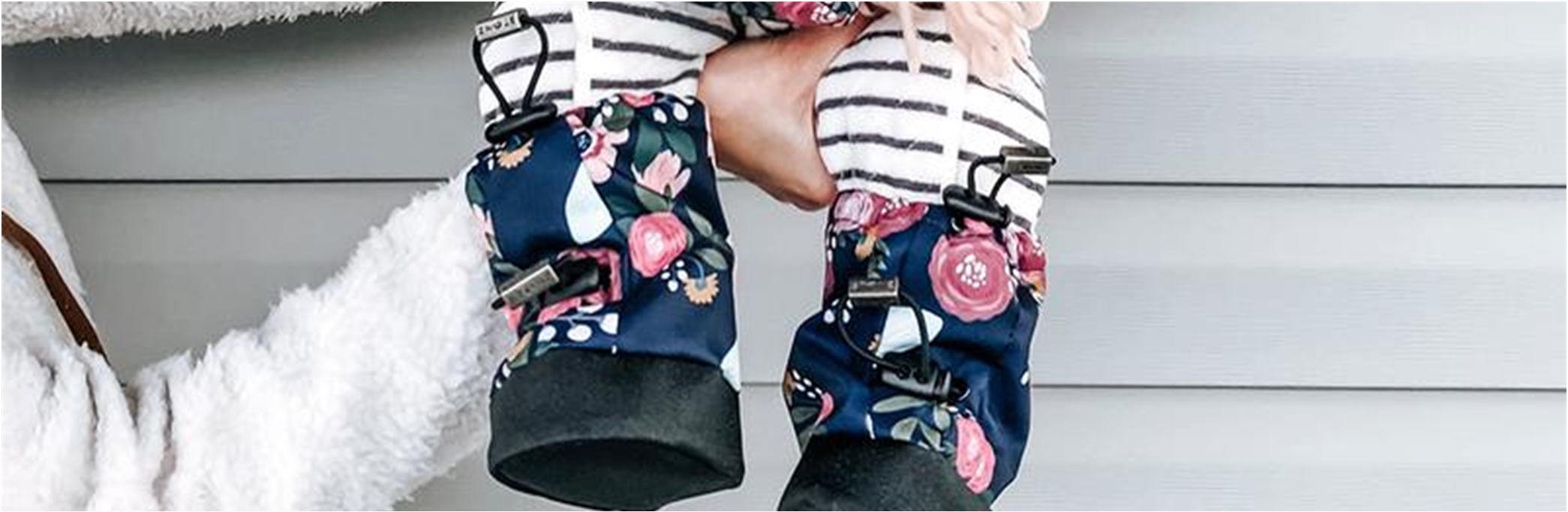
During the phase when a child is just starting to experiment with walking, it’s best to let them wear socks or soft booties in summer, and thicker socks or leg warmers in winter. This allows the foot to keep working naturally and prevents it from being enclosed in a shoe too early.
⸻
Bare Feet = Strong Feet
A child’s foot is made mostly of cartilage and soft tissue at birth, which means it needs freedom to develop properly. Free barefoot movement is the best training for balance, coordination, and muscle strength.
Tip: If your child is moving outdoors on grass, sand, or other soft surfaces, let them go barefoot. The foot learns to explore the world and react naturally to uneven terrain.
⸻
Shoes Belong Only Where They’re Needed
Once a child moves independently and walking on sidewalks or streets becomes a regular part of their day, shoes start to make sense – mainly as protection from sharp or hard surfaces, hot pavement, or cold. Even then, the rule applies: the more flexible and lightweight the shoe, the better.
⸻
A Big Milestone – First Shoes
When the right time for first shoes comes, we recommend visiting a specialized store or a professional who can carefully measure both the length and width of your child’s feet.
With first shoes, it’s very important that the allowance is not more than about 1 cm. A larger allowance can cause tripping and reduce walking confidence. First shoes should support the child, not slow them down.
Once the child is walking confidently and wearing shoes regularly, it’s essential to keep checking the allowance. Children’s feet grow in spurts, most often in spring and autumn.
Practical tip: For very first shoes, an allowance of about 5–9 mm is sufficient – especially when the child is still gaining confidence in their steps.
⸻
How Children React – and Why It’s Completely Normal
Some children fall in love with shoes immediately, while others ignore them, take them off, or even throw them around like toys. This is completely normal. Shoes are not intuitive for children at first – they need time.
A small trick: place the shoes among your child’s toys and let them explore them at their own pace. When the child starts putting them on spontaneously, the experience becomes much more psychologically acceptable.
⸻
Remember: Shoes Are Not the Goal, but a Tool
The Baby Bare Shoes brand was created out of the need to design shoes that truly fit.
Our models are designed for children’s feet that are wide in the toe area, yet often narrow in the heel and ankles. This shape is based on the very first shoe lasts created according to the feet of the founder’s daughter, Pavlína Lišková. Thanks to this, Baby Bare Shoes fit a wide range of children’s feet without unnecessary pressure or slipping.
First shoes are all about the right timing, observing your child, and adapting to their individual pace. When shoes fit well, children move naturally – and you can see it in their joyful steps 😊