
Bunions, medically known as hallux valgus, are more than just a cosmetic issue. They are progressive toe deformations that can significantly worsen your quality of life over time – causing pain, inflammation, and restricted mobility.
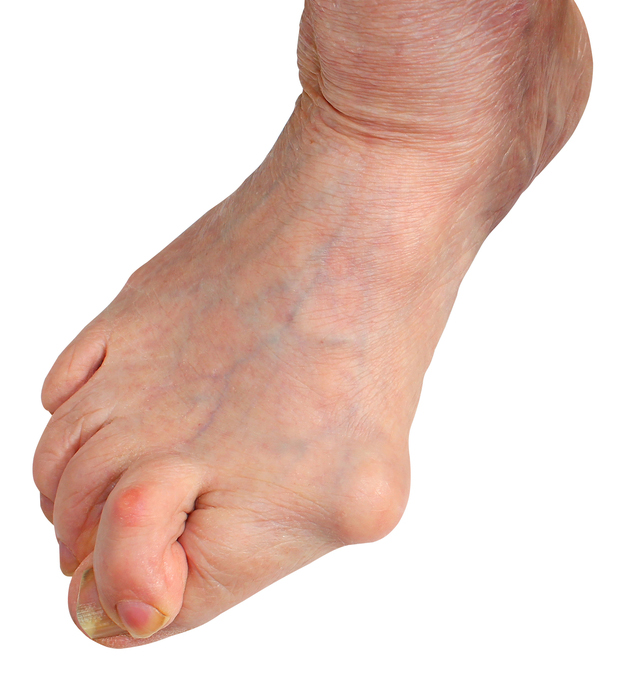
To a large extent, we are responsible for them ourselves... but at the same time, there is something we can do about it.
How and why do bunions develop?
Imagine your foot as a firm yet flexible foundation for the body. It is meant to function naturally – with toes spread apart and weight evenly distributed.
Why bunions develop: Narrow toe boxes – they squeeze the toes together, causing the big toe to gradually drift inward. High heels – they shift the entire weight to the front of the foot. Hard and inflexible soles – the foot cannot move properly, and the muscles weaken. Long-term use of improper footwear – the deformation happens slowly but surely. Genetics – yes, they can play a role, but we usually "activate" them through our choice of footwear.
Why bunions develop: Narrow toe boxes – they squeeze the toes together, causing the big toe to gradually drift inward. High heels – they shift the entire weight to the front of the foot. Hard and inflexible soles – the foot cannot move properly, and the muscles weaken. Long-term use of improper footwear – the deformation happens slowly but surely. Genetics – yes, they can play a role, but we usually "activate" them through our choice of footwear.
The result?
The big toe begins to press against the other toes, leading to a bony bump (often called a 'bunion bone'), inflammation, and pain.
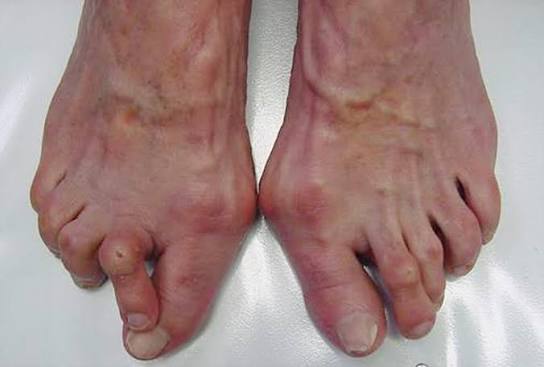
Why conventional footwear makes the problem worse?
Common shoes often don't give the toes enough space; they fix the foot in place instead of letting it work, weakening the foot muscles and altering the natural biomechanics of walking. It’s as if you kept your hand squeezed in a tight glove all day – over time, it would also become deformed.
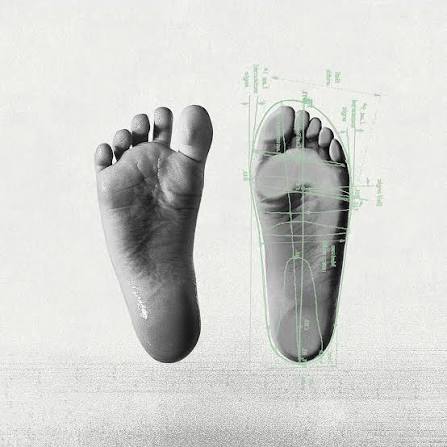
Barefoot footwear goes in the exact opposite direction – it returns the foot to its natural function.
Main Benefits :
Natural space for toes. A wide toe box allows the toes to spread out as they should. The big toe stops being pushed inward.
Activation of foot muscles. A thin and flexible sole engages muscles that have been "turned off" for years. The foot begins to work properly.
Better posture. When the alignment of the foot improves, it creates a chain reaction that adjusts your overall posture – from the ankles and knees to the hips and spine.
Reduced pressure on the big toe. With zero drop (no heel) and even weight distribution, the pressure on the forefoot is significantly relieved.
Prevention and relief of issues. Barefoot is not a "magic overnight cure," but with regular wear, it can slow down the progression of bunions, ease pain, and improve foot function.
An important thing many people forget.
Bunions don't develop in a day – and they won't disappear in a week. But changing your footwear is one of the most powerful steps you can take.
Barefoot is not a trend. It is a return to how the foot is naturally meant to function.